

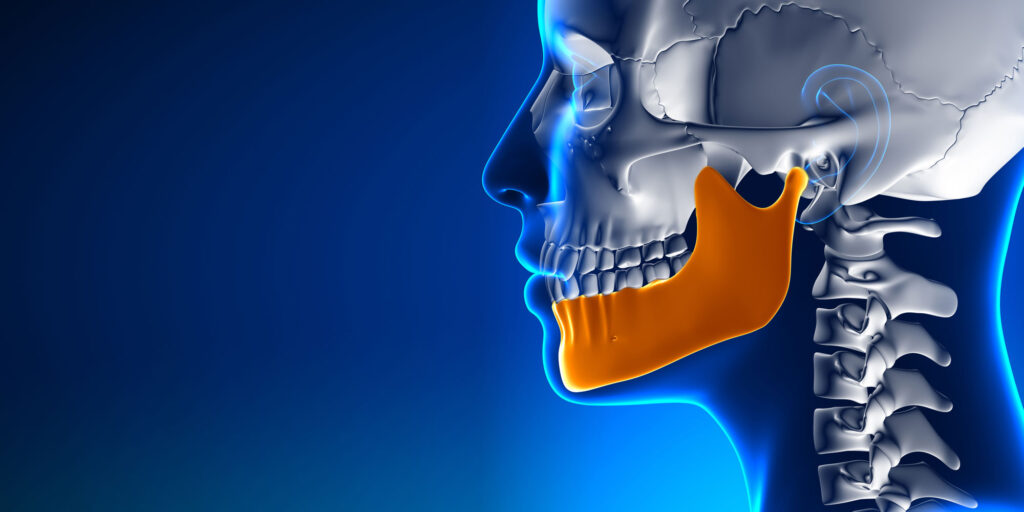
The temporomandibular joints (TMJs) are the two joints in front of each ear that connect your lower jawbone to the temporal skull bones on each side of your head. The muscles controlling these joints allow your jaw to comfortably move up and down, side to side, and forward and back.
TMJ dysfunction or TMD is a complex and poorly understood set of conditions characterized by pain in the jaw joint and surrounding tissues. Research indicates an estimated 85% of patients with TMD also suffer from pain-related and non-pain conditions in other parts of their bodies. The good news is that the Tri-City Dental Care of Cerritos team has expertise in pain-alleviating TMJ disorder treatment in Cerritos, CA.
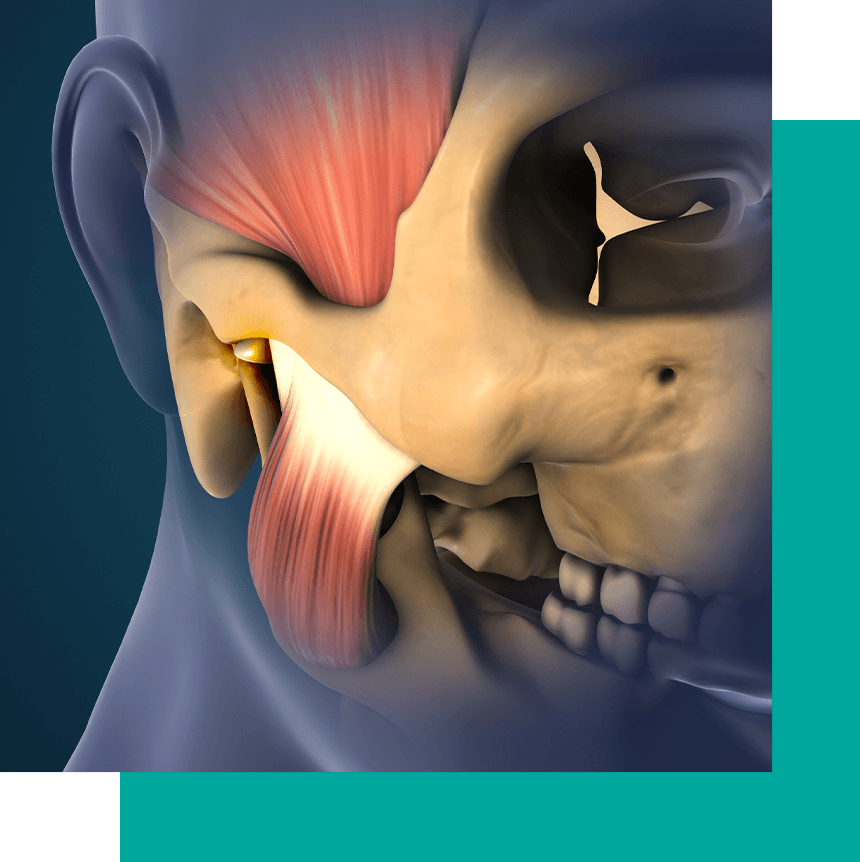
TMJ disorders rarely stem from a single cause. In most cases, they develop from a combination of jaw muscle strain, joint stress, injury, or underlying structural issues that affect jaw function.
TMD can cause a wide range of symptoms affecting the jaw, face, head, and neck, including:
Self-care practices, such as eating soft foods, applying ice or moist heat, and avoiding extreme jaw movements, can help ease symptoms. But if symptoms persist, professional TMJ treatment at Tri-City Dental Care of Cerritos is likely warranted.
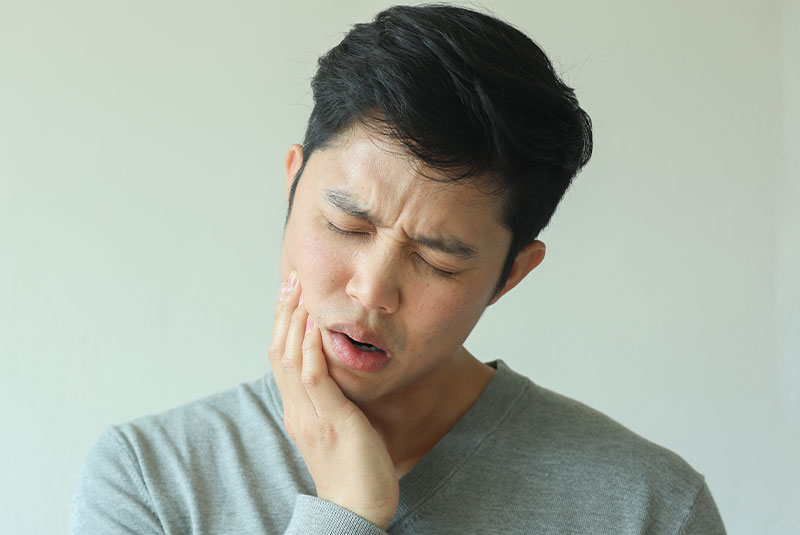
If you’re struggling with any of the cardinal symptoms of TMD for a few weeks or months, you likely need TMJ pain relief in Cerritos, CA, from our qualified team. At home, you can also try the 3-finger test, in which you try to comfortably fit three fingers stacked vertically between your front teeth. If you can’t open your mouth wide or it causes pain or jaw tightness, it may indicate limited jaw mobility, often associated with TMD.

Complex cases can cause chronic and severe pain, jaw dysfunction, comorbid conditions, and a diminished quality of life. Patients often suffer in silence because family members and friends often can’t understand the devastating effect it imparts, the treatment involved, or the related costs.
Although it may take a while to find relief, persistent inflammation and joint strain can lead to chronic facial pain and frequent, severe migraines. Left untreated, TMD can also cause bone spurs, jaw joint arthritis, and a locked jaw that gets stuck in an open or closed position. In addition, a combination of chronic pain and nighttime grinding can severely disrupt your sleep, potentially contributing to insomnia.